LONDON, Jan 1 (Reuters) – Sovereign wealth and public pension fund investors poured a whopping $132 billion – roughly half of their investments last year – into the United States in 2025, while big emerging markets drew in almost a third less than in 2024, an annual report showed on Thursday.
These huge investors together with central banks notched a record $60 trillion in assets under management last year, the report from Global SWF showed, with sovereign wealth funds accounting for two-thirds of the money invested in the U.S. during the year.
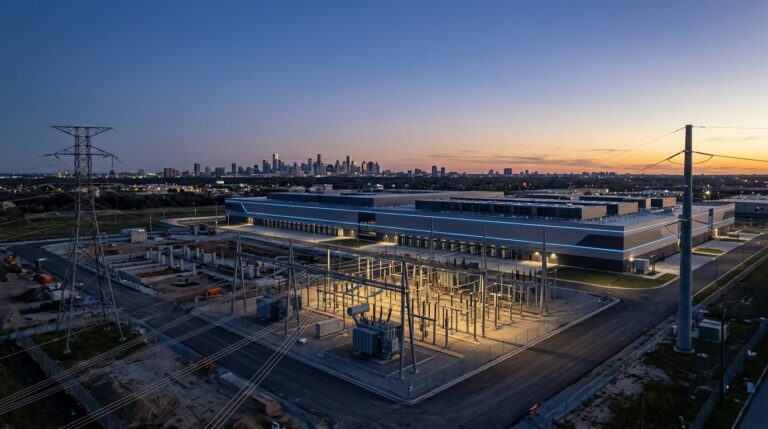
“There was a change in paradigm when it comes to recipient countries,” Global SWF managing director Diego Lopez wrote in the report, adding that the world’s largest economy benefited from spending focused on digital infrastructure, data centres and AI companies.
Sovereign wealth fund assets alone hit a fresh record – $15 trillion – according to the report, which uses a combination of public data and official reports to monitor the assets and spending of the world’s state-owned investors, including wealth and pension funds and central banks.
Overall, sovereign wealth fund investments grew by 35% to $179.3 billion.
EMERGING MARKET SLIDE
Funneling investments to the U.S. came at the expense of emerging markets, however – despite their outsized performance in 2025.
“The big losers were emerging markets, especially China, India, Indonesia, and Saudi Arabia, which received in 2025 disappointing levels of investment: a 28% drop from 2024, and only 15% of the total,” Lopez wrote.
Private credit investors by contrast have begun a pivot to emerging markets, seeking stronger returns and more advantageous project structures, the report showed.
All 11 new sovereign funds launched during the year originated in emerging markets, but with crude oil prices under pressure, 2026 could bring change for the current big spenders. Saudi Arabia already has plans to refocus spending amid low oil prices and delays to flagship projects.
“New capital will depend on the source of revenue: SWFs reliant on oil will find 2026 another tough year as revenues stagnate, while natural gas and metals such as copper spur new flows,” Lopez wrote.
US RETAINS ITS PULLING POWER
The investment flow figures, Lopez noted, do not include the estimated $2.2 trillion of Magnificent 7 stocks – Apple, Microsoft, Alphabet, Amazon, Nvidia, Meta and Tesla – that sovereign wealth and pension funds already hold.
The shift to the U.S. underscores its pulling power, even as investors sought to diversify as President Donald Trump reshapes the economy.
It also comes after eye-watering pledges from Gulf countries to invest billions in the United States – often through their powerful sovereign wealth funds.
Saudi Arabia was Trump’s first foreign visit during his second term, and he hosted influential Saudi Crown Prince Mohammed bin Salman at the White House in November. Trump said Saudi Arabia had agreed to invest $600 billion in the U.S., while bin Salman pledged to increase the total to $1 trillion.
Abu Dhabi has pledged $1.4 trillion for U.S. investments, while Qatar plans $500 billion over the next decade.
Saudi Arabia’s Public Investment Fund (PIF) with $36.2 billion committed, of which 80% will go to its takeover of games maker Electronic Arts, and Abu Dhabi’s Mubadala, with a record $32.7 billion, were the top two spenders.
Gulf funds PIF, Abu Dhabi-based L’imad Holding Company PJSC, Qatar Investment Authority are also key financial backers of Paramount Skydance’s hostile bid to take over Warner Bros Discovery.
Canada’s CPP and La Caisse as well as Singapore’s GIC joined PIF and Mubadala in the top five spenders.
(Reporting by Libby George, editing by Karin Strohecker; Editing by Hugh Lawson)

About the Author